
Clearer Skin, Expert Care: Psoriasis Solutions That Work
Struggling with red, itchy, scaly patches of skin? DirectDerm’s board-certified dermatologists offer personalized care to help you manage psoriasis effectively — in person or via teledermatology.
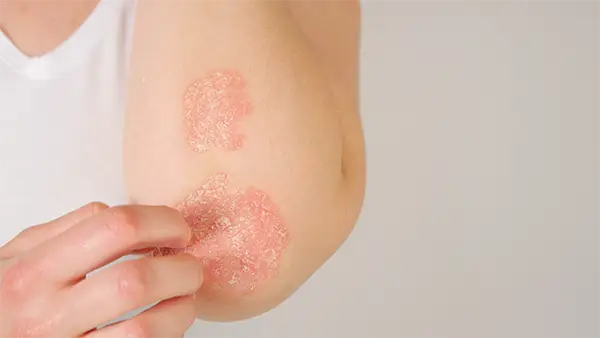
What Is Psoriasis?
Psoriasis is a chronic autoimmune skin condition that causes the rapid buildup of skin cells, resulting in thick, scaly plaques. It can appear on any part of the body but is most commonly found on the scalp, elbows, knees, and lower back. While it’s not contagious, it can greatly affect your comfort and confidence.
Symptoms
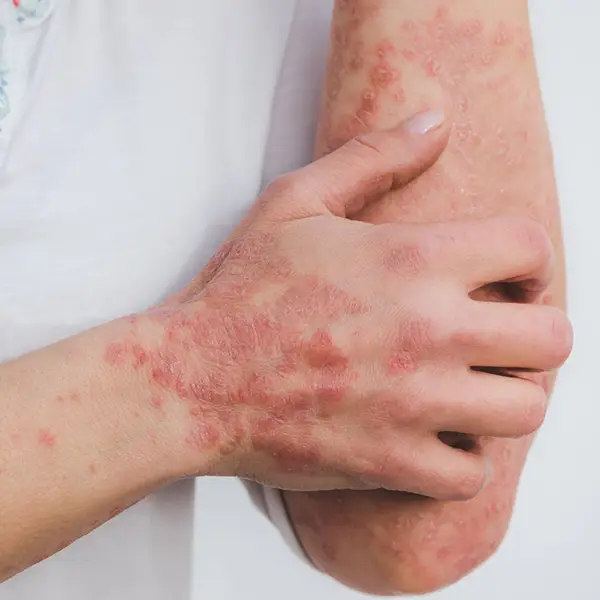
Itching, burning, or soreness
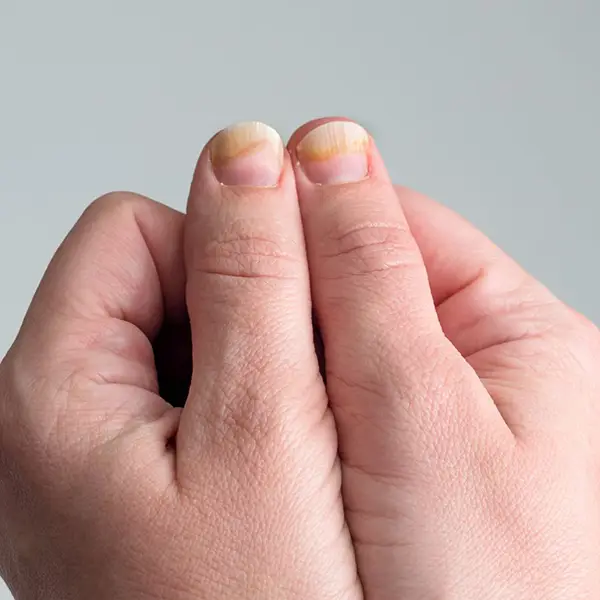
Nail changes
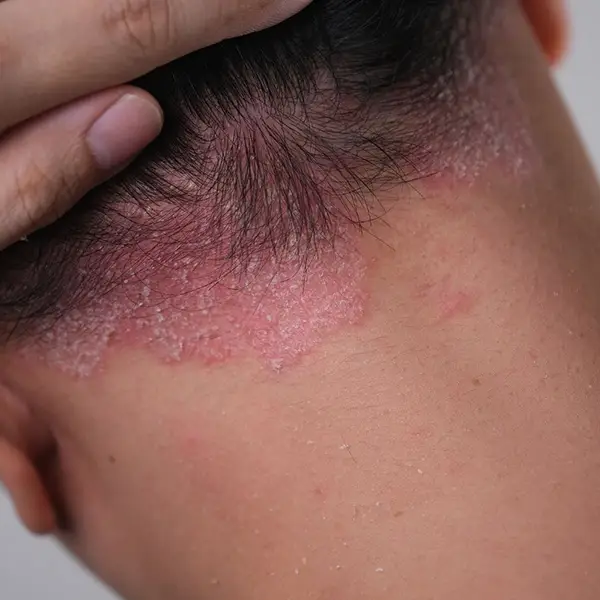
Thick, red or silvery patches of skin
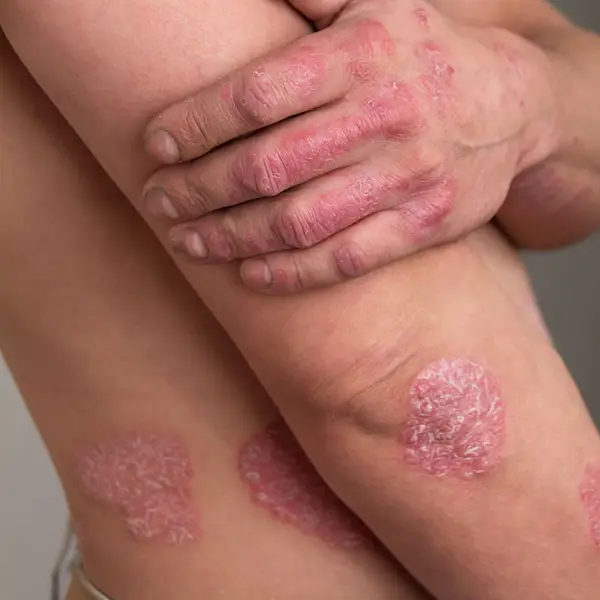
Dry, cracked skin that may bleed
Common Triggers

Stress

Illness (like strep throat)

Certain medications
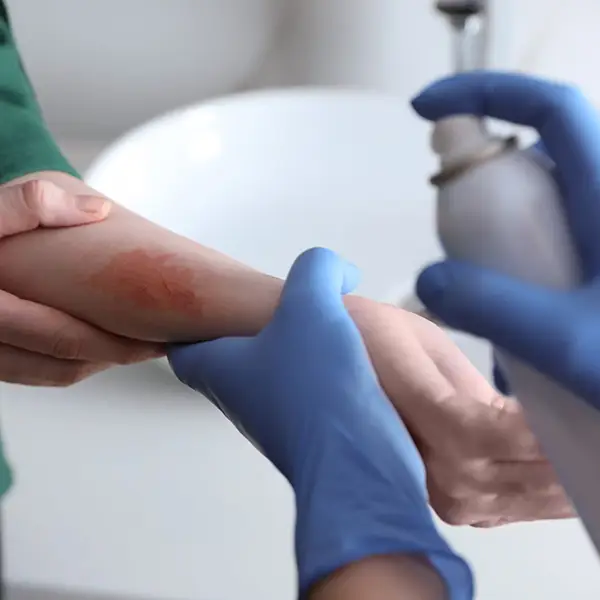
Skin injuries
Personalized Psoriasis Treatment Plans
Every case of psoriasis is unique. At DirectDerm, we offer a wide range of treatment options and work closely with you to find the best plan based on your skin, lifestyle, and medical history.
Psoriasis Treatment Options:

Topical Treatments

Oral Medications

Injectable Medications

Laser Therapy
Psoriasis Treatment Your Way
Whether you’re near one of our six Northern and Central California clinics or living somewhere else, DirectDerm makes it easy to get expert care:


Teledermatology with Referrals to Local Dermatologists
Secure online visits from anywhere

PATIENT TESTIMONIAL
Dr. Wong has shown me that he has real concern for his patients. If you need dermatology care, DirectDerm is as good as it gets.
Frequently Asked Questions About Psoriasis Treatments in California
Is psoriasis curable?
No, but it is manageable with the right care. Many patients achieve long-lasting remission.
Is sun exposure good or bad for psoriasis?
Moderate sun exposure can actually help improve psoriasis symptoms for some people. Ultraviolet (UV) light slows the growth of skin cells, which can reduce plaques. However, too much sun can trigger flares or cause sunburn, which may worsen psoriasis. Always talk to your dermatologist before increasing sun exposure.
Can I use California sunlight as a natural treatment for my psoriasis?
California’s sunny climate makes it tempting to use natural sunlight as a treatment, and it can be beneficial — in moderation. Your dermatologist may recommend short, controlled periods of sun exposure (5–15 minutes), ideally before 10 a.m. or after 4 p.m., and always with sun protection on unaffected areas.
Should I wear sunscreen if I have psoriasis?
Yes. Use a broad-spectrum sunscreen (SPF 30 or higher) on areas not affected by psoriasis to prevent sunburn, which can trigger new flare-ups (a reaction called Koebner phenomenon). Mineral sunscreens with zinc oxide or titanium dioxide are often less irritating for sensitive skin.
Does the heat or dry air in California affect psoriasis?
It can. While sunlight may help, hot, dry weather can dry out your skin and cause flare-ups. Use a daily moisturizer, stay hydrated, and consider using a humidifier at home if you’re in arid parts of California like the Central Valley or inland desert areas.
Can I get phototherapy from the sun instead of a laser like XTRAC?
Natural sunlight isn’t a direct substitute for medical phototherapy like XTRAC. XTRAC delivers a precise, targeted dose of UVB light only to affected skin — reducing side effects and improving safety. It’s especially useful when flares are in hard-to-treat areas like the scalp or elbows.
Does saltwater help or hurt psoriasis?
Some people report relief from saltwater exposure — like swimming in the ocean — which can help soften plaques. California beaches may offer this benefit, but it’s still important to rinse off and moisturize immediately after to prevent dryness or irritation.
 English
  Español